
Getting out to Samantha
Samantha is a longer drive than town, and we plan around that. When a message comes in, we ask what the system is doing, how old it is and what kind of heat the house uses, so we can load the right parts and fix it on the first trip instead of coming back. We work Monday through Saturday, 7am to 6pm, and answer every message the same day. We don't make round-the-clock promises, but we do keep the ones we make.
North-county trips often include stops over in Coker and back through Northport, so if you're out this way, a truck may already be headed in your direction that week.
What breaks out here
Storms are a big part of the story in Samantha. Spring brings severe weather to West Alabama, and the Birmingham weather office issues the warnings for Tuscaloosa County when a line comes through. A nearby strike or a surge on a rural power line can knock out a capacitor or contactor on the outdoor unit, and the result is a system that hums or sits silent while the indoor fan blows warm air. Those are usually quick fixes once found.
Summer calls are the familiar ones. Temperatures sit near 90 from late May into September, and the air conditioner runs most of the day, working hard to pull humidity out of the house. Frozen coils, refrigerant leaks, clogged drain lines and worn fan motors top the list.
Winter calls lean toward the backup heat: a heat pump stuck in defrost, a propane furnace that lights and then shuts off, a dirty flame sensor, or a thermostat that never switches over. For the gas side of a dual system, here's how we handle furnaces and the controls tied to them.
Some of the units out here have been running a long time, and a few still use R-22. Every repair is quoted in writing after the diagnosis and before any part is ordered, and if a repair costs close to what a new system would, we say so. On an old rural system with a refrigerant leak, that conversation comes up more often than not.
When to have it checked
Twice a year makes sense for a dual-fuel home in Samantha. A spring visit, in March or April, gets the cooling side ready: coil cleaning, refrigerant check, capacitor test and a clear drain line before four months of hard running. A fall visit, in October, checks the heat pump's defrost controls, the reversing valve, the furnace burners and the changeover so the first cold snap does not catch you.
The weather service posts freeze warnings ahead of the coldest nights, and that makes a good reminder. If the heating side has not run since last winter, turn it on for an hour before the cold arrives. If it smells hot, short-cycles or blows cool air, send us a message before the freeze, not during it.
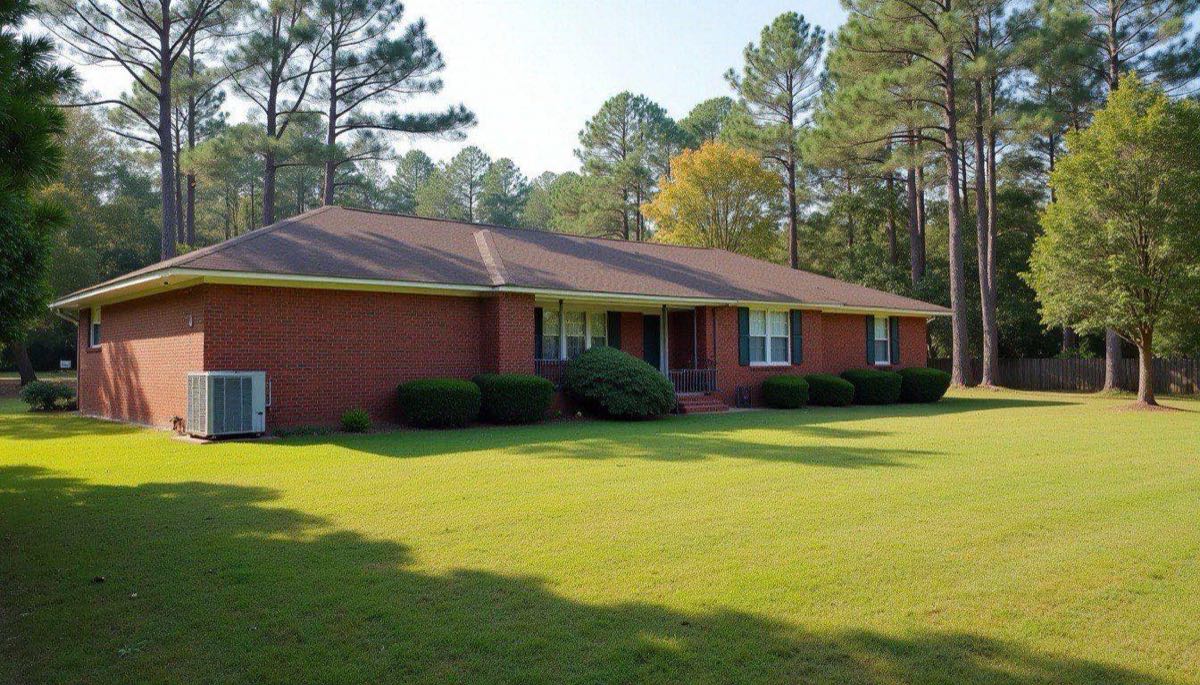
Rural homes also tend to have outdoor units sitting closer to the trees, so pine needles, leaves and pollen pile up against the coil faster than they do in town. Keeping a couple of feet clear around the unit and hosing the coil gently from the inside out once a season helps the system breathe and keeps it from running longer than it needs to on the hottest days.
Services we bring out here
- Heat Pump RepairDiagnosed first, priced in writing before work begins.
- AC RepairWritten price before any part is ordered.
- Furnace and Heating RepairA written quote before any part is ordered.
- Heating and Air Repair in NorthportWe diagnose first and quote in writing before work.
- Heating and Cooling Repair in CokerDiagnosis first, written quote after.
- Where We WorkFind yours and send the form for a free quote.
- Get a Free QuoteTell us what the system is doing, how old it is and the type, and we reply the same day.
- Home base: TuscaloosaEvery service we offer.